[新しいコレクション] 1/2 1/3 1/4 sequence 234572-Let the sequence un = 1 1/2 3 1/4 ....is

1 Descriptions Of The Sequence X Length Combinations Of Finger Tapping Download Table
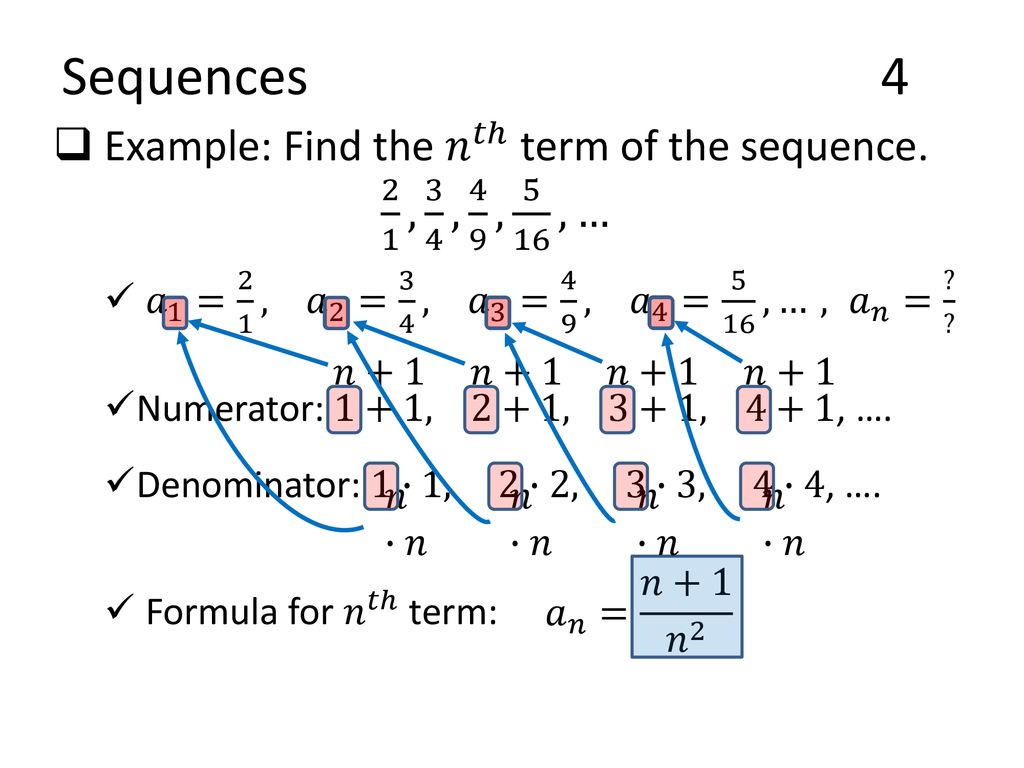
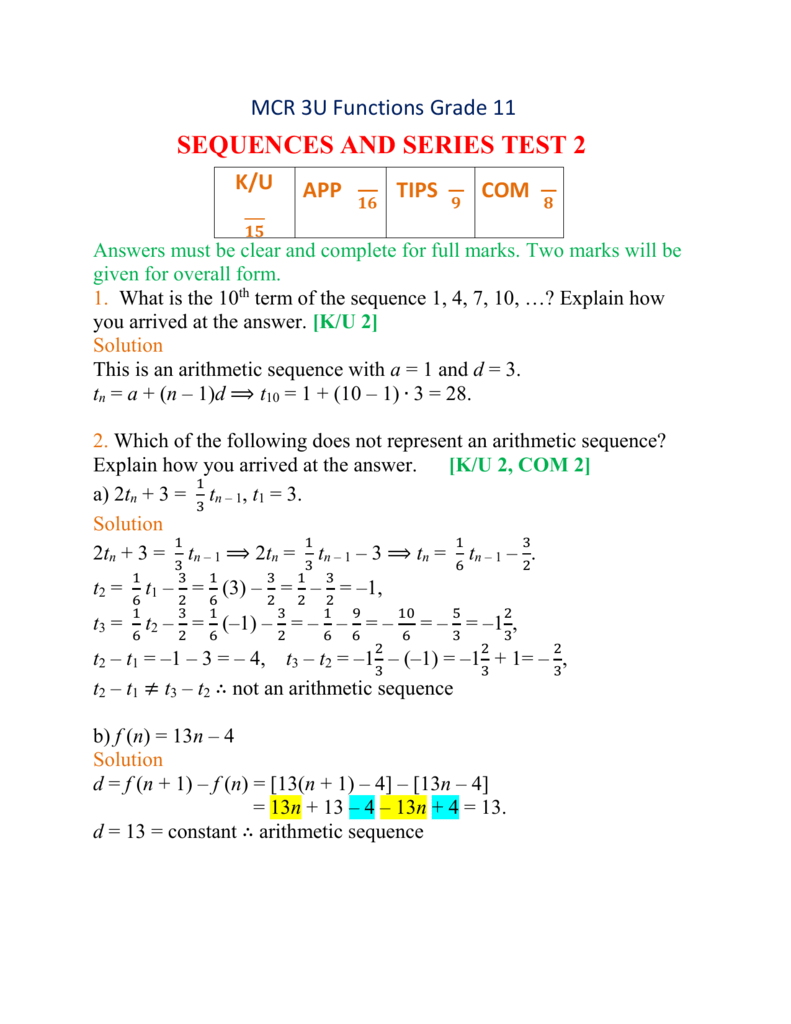
1 2 1 = 1 2 1 3 1 2 = 2 3 1 4 1 3 = 3 4 The ratio between successive terms is not common, so this is not a geometric sequence It is a harmonic sequence the reciprocals of successive terms being in arithmetic progression Answer link Jim G not geometric Explanation for the sequence of terms to be geometric there must be a– Thorin Oakenshield at 1046 I use macros in MS WOrd 07 and outputs shoild be if Page 1 the > 1, Page 2 > 1, Page 3> 2, Page 4
Let the sequence un = 1 1/2 3 1/4 ....is
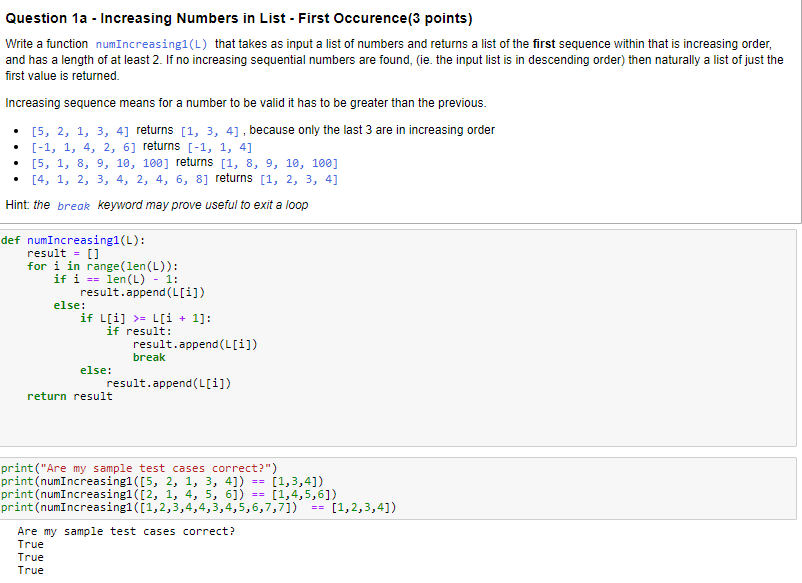
Let the sequence un = 1 1/2 3 1/4 ....is-The idea becomes clearer by considering the general series 1 − 2x 3x 2 − 4x 3 5x 4 − 6x 5 &c that arises while expanding the expression 1 ⁄ (1x) 2, which this series is Show activity on this post I am trying to generate a vector containing decreasing sequences of increasing length, such as 1, 2,1, 3,2,1, 4,3,2,1, 5,4,3,2,1, ie I tried to use a loop for this, but I don't know how to stack or concatenate the results for (i in 111) { x = rev (seq (i1)) print (x) } 1 1 1 2 1 1 3 2 1 1 4 3 2 1 1 5 4
4 Consider The Sequence 1 6 1 3 1 2 1 12 1 Gauthmath
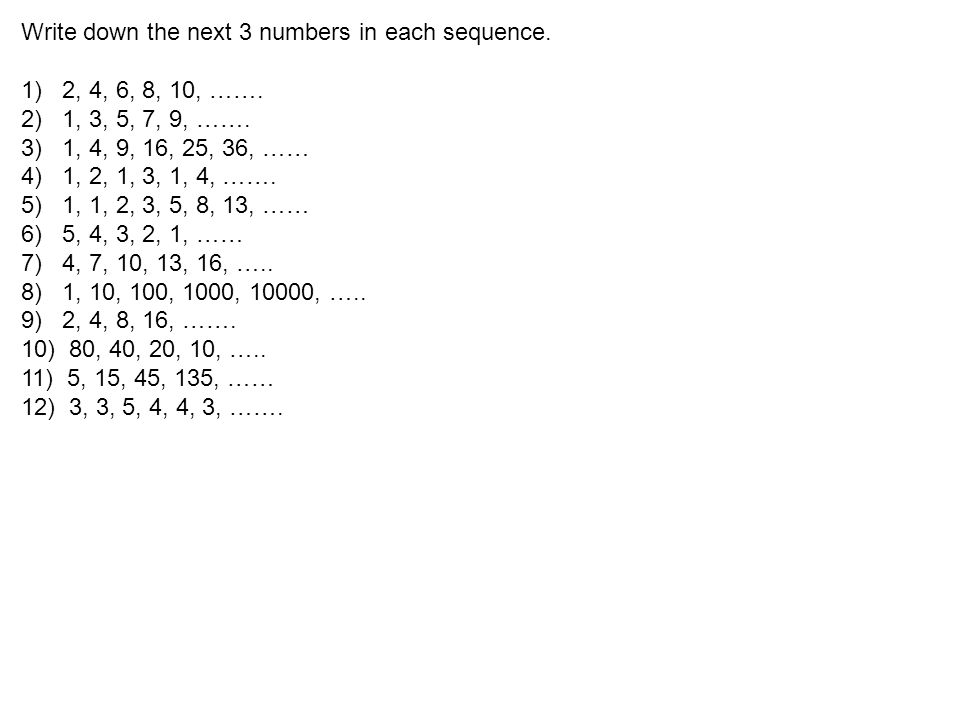
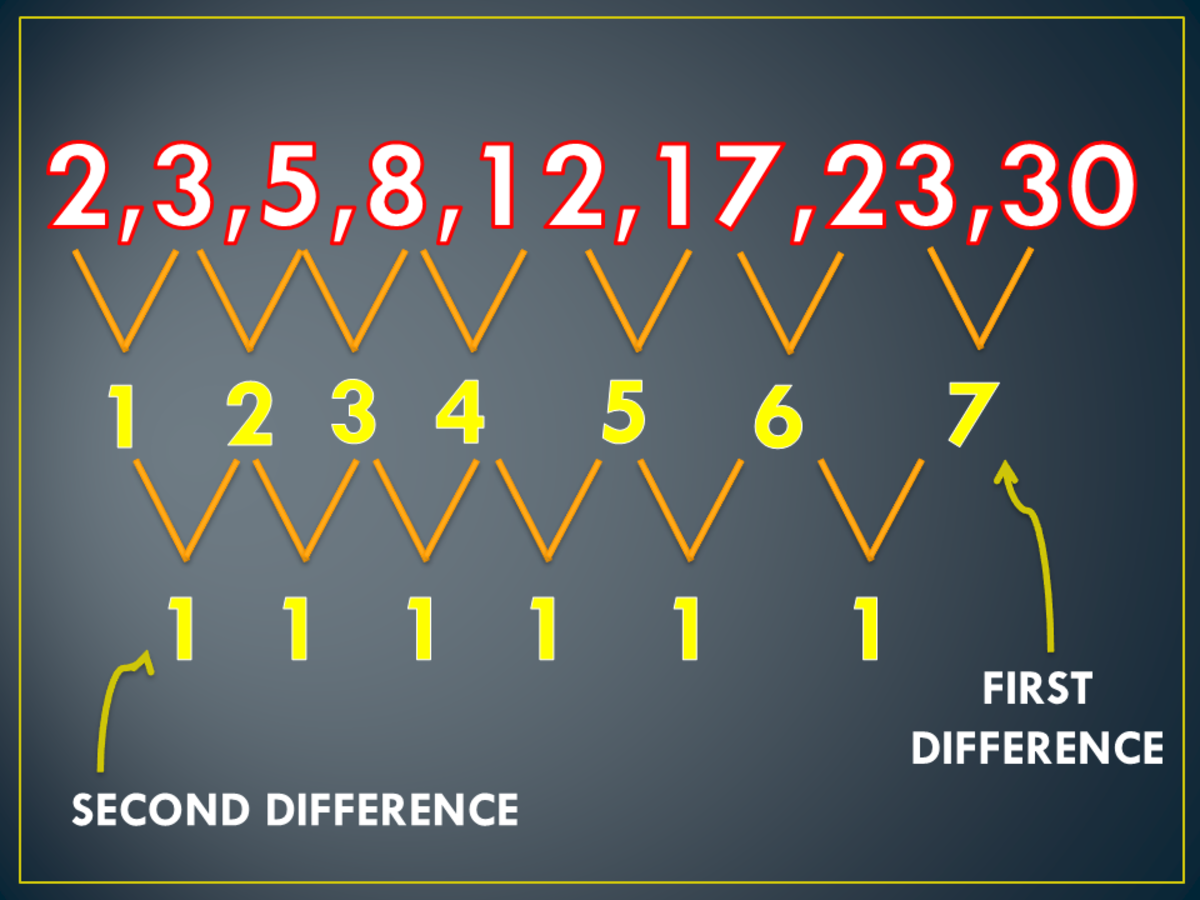
OEIS link Name First elements Short description A Natural numbers {1, 2, 3, 4, 5, 6, 7, 8, 9, 10, } The natural numbers (positive integers) n ∈ AGolden Ratio Nature, Golden Ratio and Fibonacci Numbers Number PatternsThe Triangular Number Sequence is generated from a pattern of dots which form a triangle By adding another row of dots and counting all the dots we can find the next number of the sequence But it is easier to use this Rule x n = n (n1)/2 Example the 5th Triangular Number is
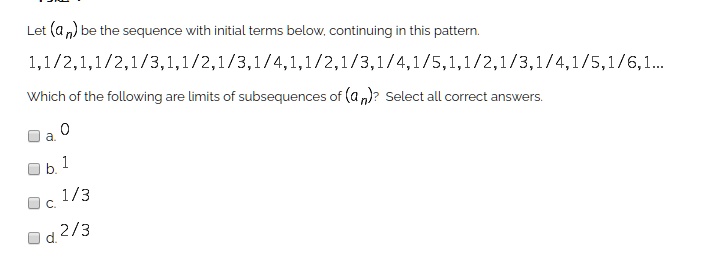
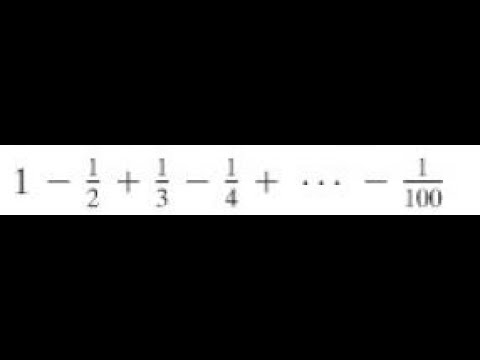
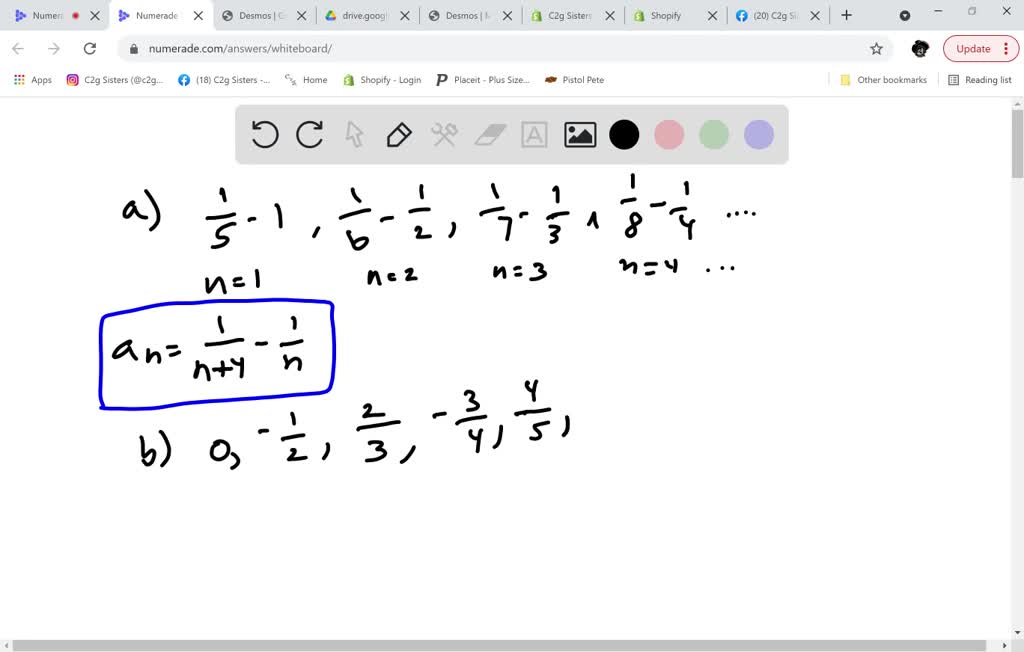
Let's find the general term for a n a 1 = 1, a 3 = 2, a 5 = 3, and if n is odd, a n = (n1)/2 a 2 = 1, a 4 = 2, a 6 = 3, and if n even, a n = n/2 So when n is odd, we want 1 times the formula (n1)/2 plus 0 times the formula n/2, and when n is even, we want 0 times the formula (n1)/2 plus 1 times the formula n/2 To do that, we make use of 2 special sequences that alternate 0's and 1'sFormula for the simple sequence 1, 2, 2, 3, 3, 4, 4, 5, 5, Ask Question Asked 6 years, 1 month ago Modified 4 years, 5 months ago Viewed 18k times 9 Given n ∈ N, I need to get just enough more than half of it For example (you can think this is number of games → minimum turns to win) 1 → 1 2 → 2 3 → 2 4 → 3 5 → 3 6 → 4 7 → 4 ⋮ 2 i → i 1 Note that your series, 11/21/31/4 differs from the harmonic series only in the signs of the terms Your series is called the alternating harmonic series There's a fairly simple test for convergence for alternating series (series whose elements alternate between positive and negative) Such a series is convergent if the sequence comprising the absolute values of the
Let the sequence un = 1 1/2 3 1/4 ....isのギャラリー
各画像をクリックすると、ダウンロードまたは拡大表示できます
 1 2 3 4 Wikipedia | 1 2 3 4 Wikipedia | 1 2 3 4 Wikipedia |
 1 2 3 4 Wikipedia | 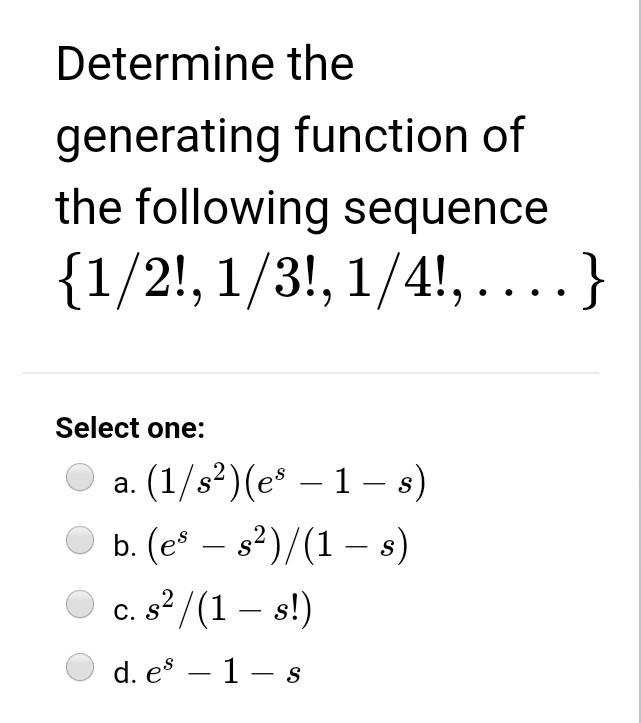 1 2 3 4 Wikipedia |  1 2 3 4 Wikipedia |
 1 2 3 4 Wikipedia |  1 2 3 4 Wikipedia | 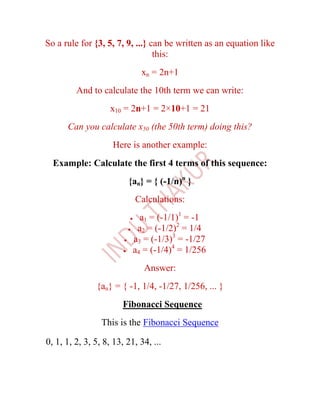 1 2 3 4 Wikipedia |
 1 2 3 4 Wikipedia |  1 2 3 4 Wikipedia | 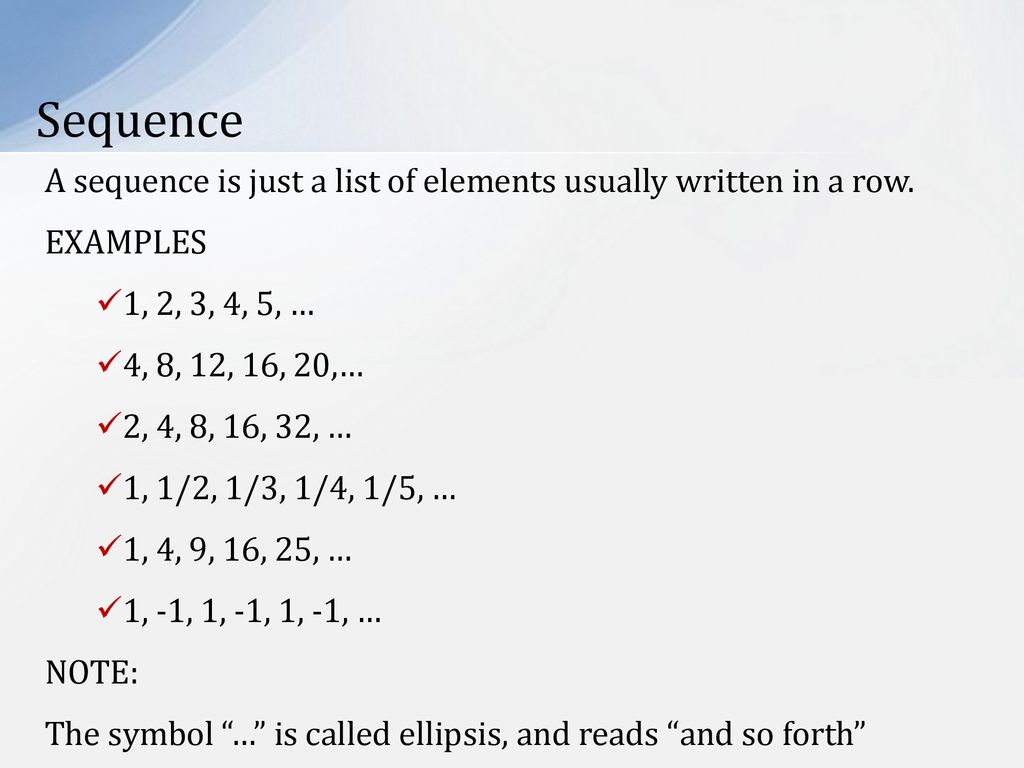 1 2 3 4 Wikipedia |
 1 2 3 4 Wikipedia | 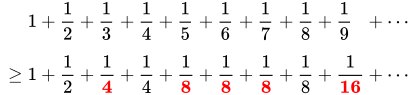 1 2 3 4 Wikipedia | 1 2 3 4 Wikipedia |
 1 2 3 4 Wikipedia |  1 2 3 4 Wikipedia |  1 2 3 4 Wikipedia |
 1 2 3 4 Wikipedia |  1 2 3 4 Wikipedia |  1 2 3 4 Wikipedia |
 1 2 3 4 Wikipedia | 1 2 3 4 Wikipedia |  1 2 3 4 Wikipedia |
 1 2 3 4 Wikipedia |  1 2 3 4 Wikipedia |  1 2 3 4 Wikipedia |
 1 2 3 4 Wikipedia |  1 2 3 4 Wikipedia | 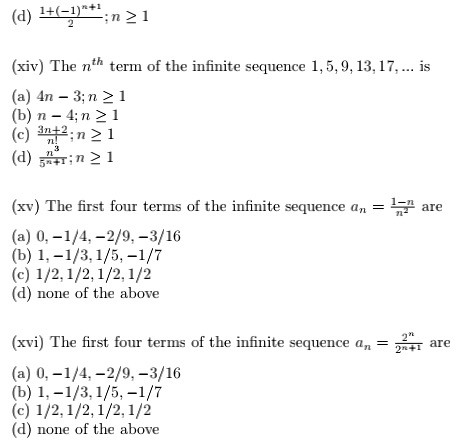 1 2 3 4 Wikipedia |
 1 2 3 4 Wikipedia |  1 2 3 4 Wikipedia |  1 2 3 4 Wikipedia |
 1 2 3 4 Wikipedia | 1 2 3 4 Wikipedia | 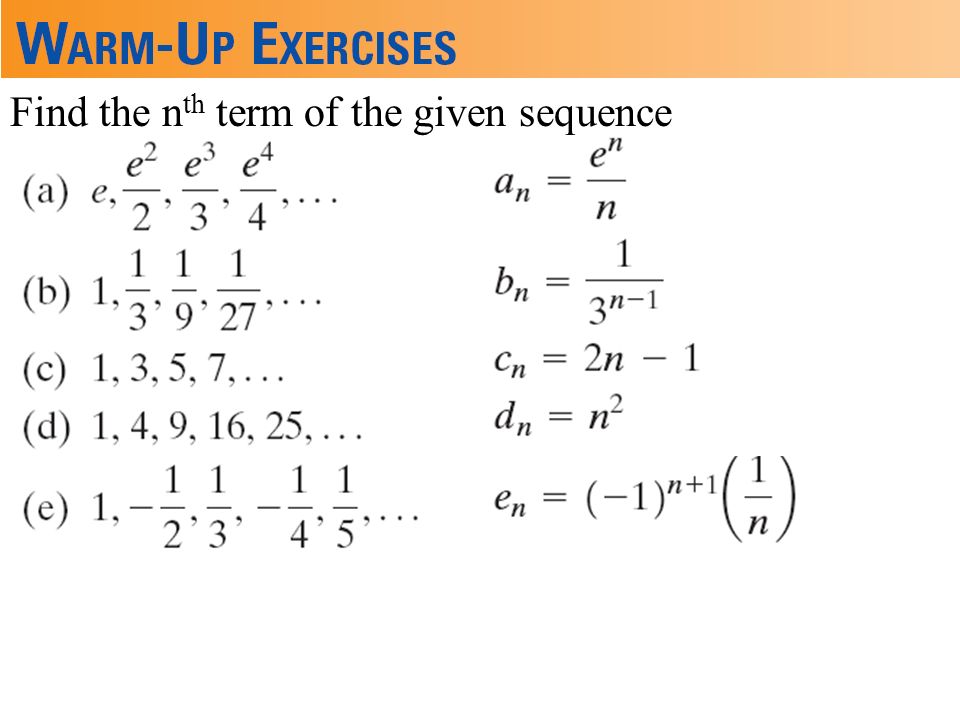 1 2 3 4 Wikipedia |
 1 2 3 4 Wikipedia |  1 2 3 4 Wikipedia |  1 2 3 4 Wikipedia |
  1 2 3 4 Wikipedia |  1 2 3 4 Wikipedia |
 1 2 3 4 Wikipedia |  1 2 3 4 Wikipedia |  1 2 3 4 Wikipedia |
 1 2 3 4 Wikipedia |  1 2 3 4 Wikipedia |  1 2 3 4 Wikipedia |
 1 2 3 4 Wikipedia |  1 2 3 4 Wikipedia | 1 2 3 4 Wikipedia |
 1 2 3 4 Wikipedia | 1 2 3 4 Wikipedia | 1 2 3 4 Wikipedia |
 1 2 3 4 Wikipedia | 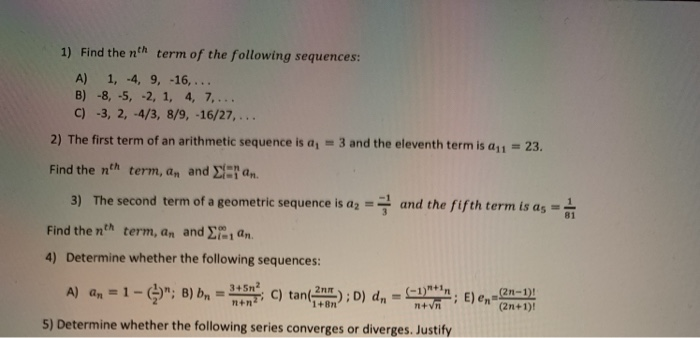 1 2 3 4 Wikipedia | 1 2 3 4 Wikipedia |
1 2 3 4 Wikipedia | 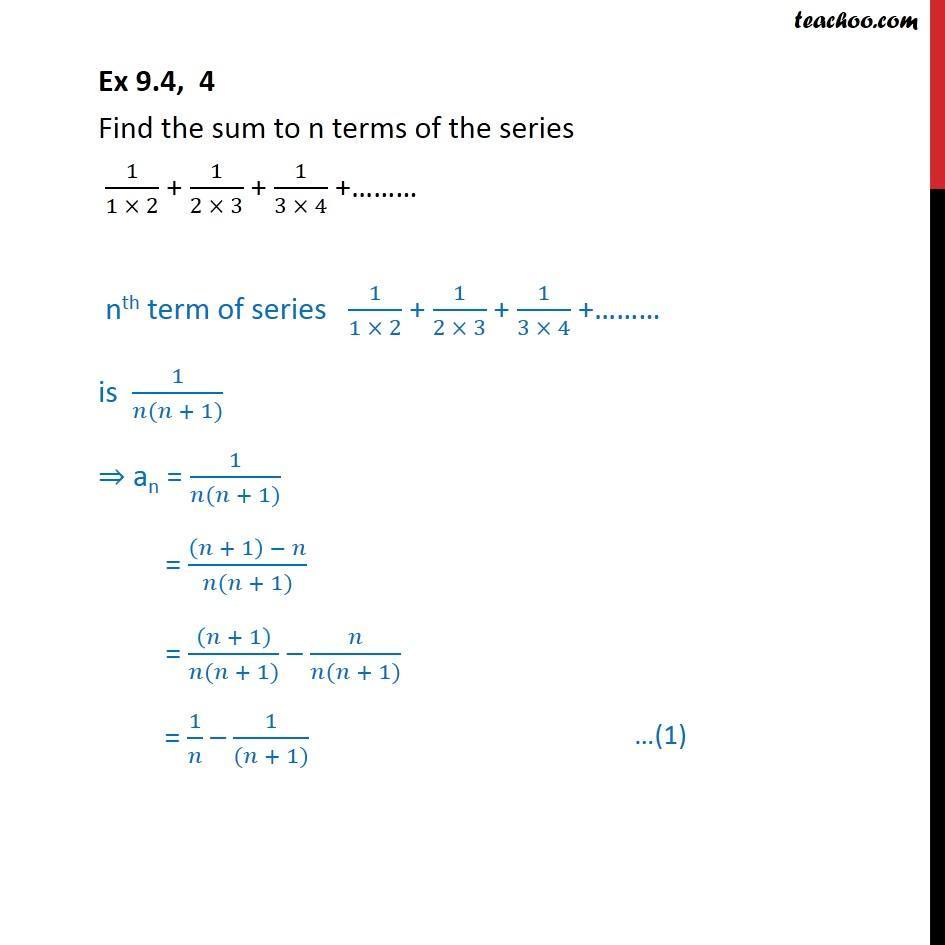 1 2 3 4 Wikipedia |  1 2 3 4 Wikipedia |
  1 2 3 4 Wikipedia |  1 2 3 4 Wikipedia |
 1 2 3 4 Wikipedia |  1 2 3 4 Wikipedia |  1 2 3 4 Wikipedia |
 1 2 3 4 Wikipedia | 1 2 3 4 Wikipedia |  1 2 3 4 Wikipedia |
 1 2 3 4 Wikipedia | 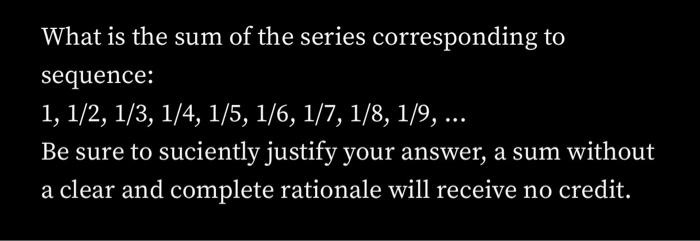 1 2 3 4 Wikipedia | 1 2 3 4 Wikipedia |
 1 2 3 4 Wikipedia | 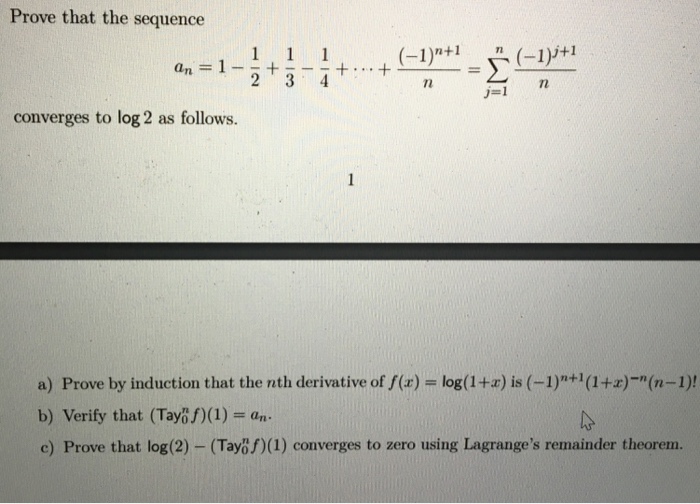 1 2 3 4 Wikipedia | 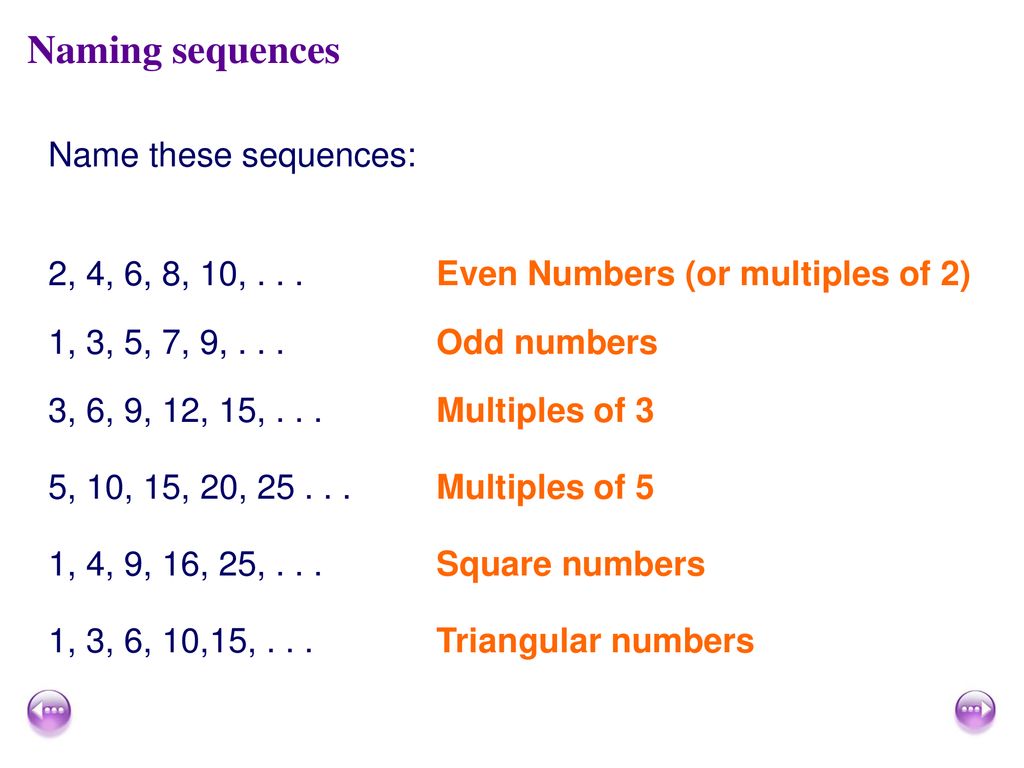 1 2 3 4 Wikipedia |
 1 2 3 4 Wikipedia |  1 2 3 4 Wikipedia |  1 2 3 4 Wikipedia |
 1 2 3 4 Wikipedia | 1 2 3 4 Wikipedia |  1 2 3 4 Wikipedia |
 1 2 3 4 Wikipedia | 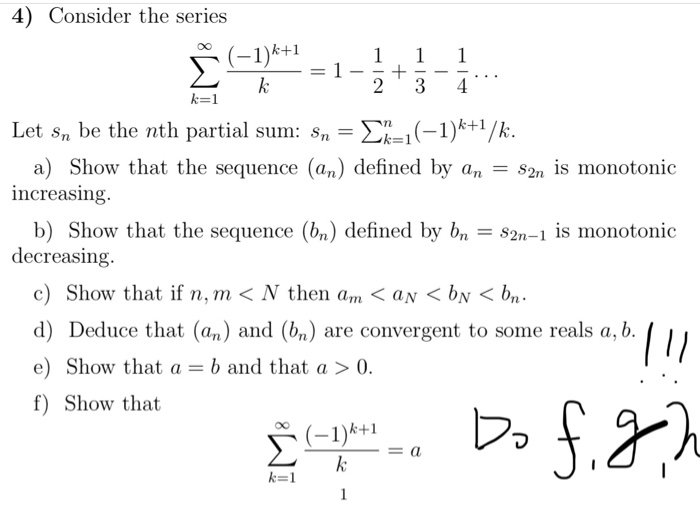 1 2 3 4 Wikipedia |  1 2 3 4 Wikipedia |
 1 2 3 4 Wikipedia | 1 2 3 4 Wikipedia |  1 2 3 4 Wikipedia |
 1 2 3 4 Wikipedia |  1 2 3 4 Wikipedia | 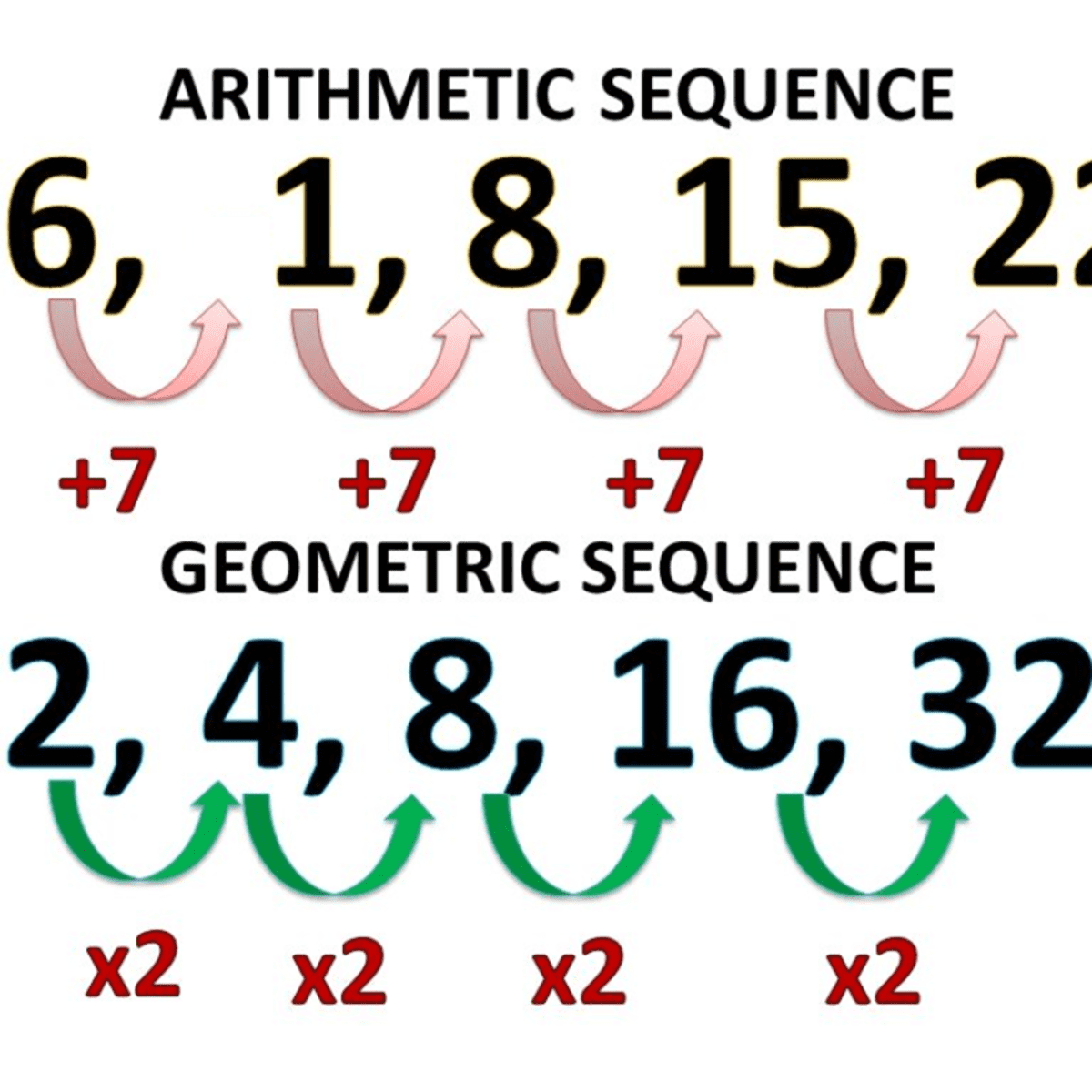 1 2 3 4 Wikipedia |
 1 2 3 4 Wikipedia |  1 2 3 4 Wikipedia |  1 2 3 4 Wikipedia |
 1 2 3 4 Wikipedia |  1 2 3 4 Wikipedia |  1 2 3 4 Wikipedia |
 1 2 3 4 Wikipedia | 1 2 3 4 Wikipedia | 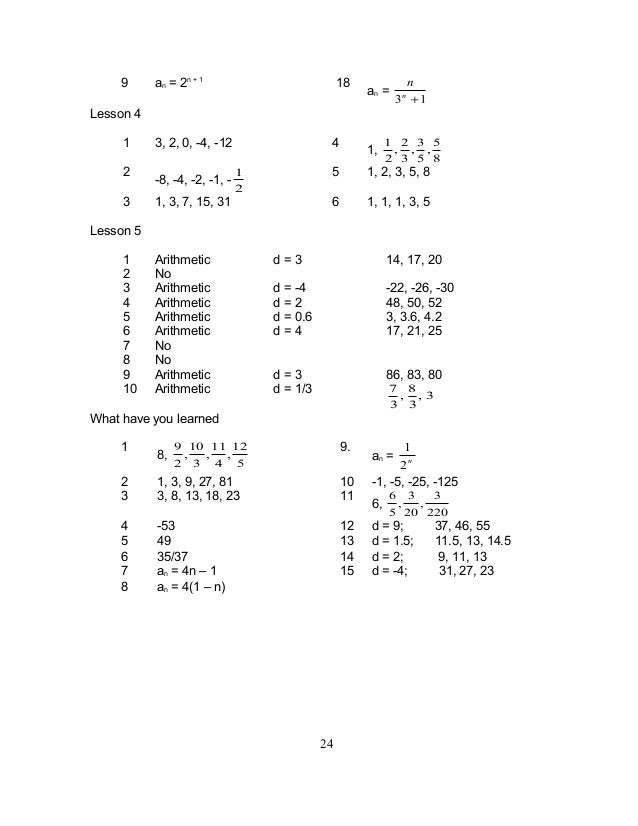 1 2 3 4 Wikipedia |
  1 2 3 4 Wikipedia | 1 2 3 4 Wikipedia |
 1 2 3 4 Wikipedia | 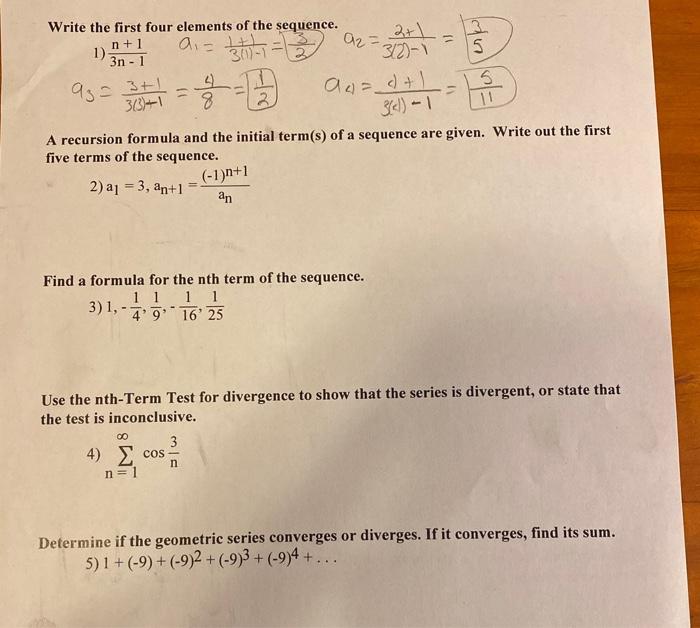 1 2 3 4 Wikipedia |
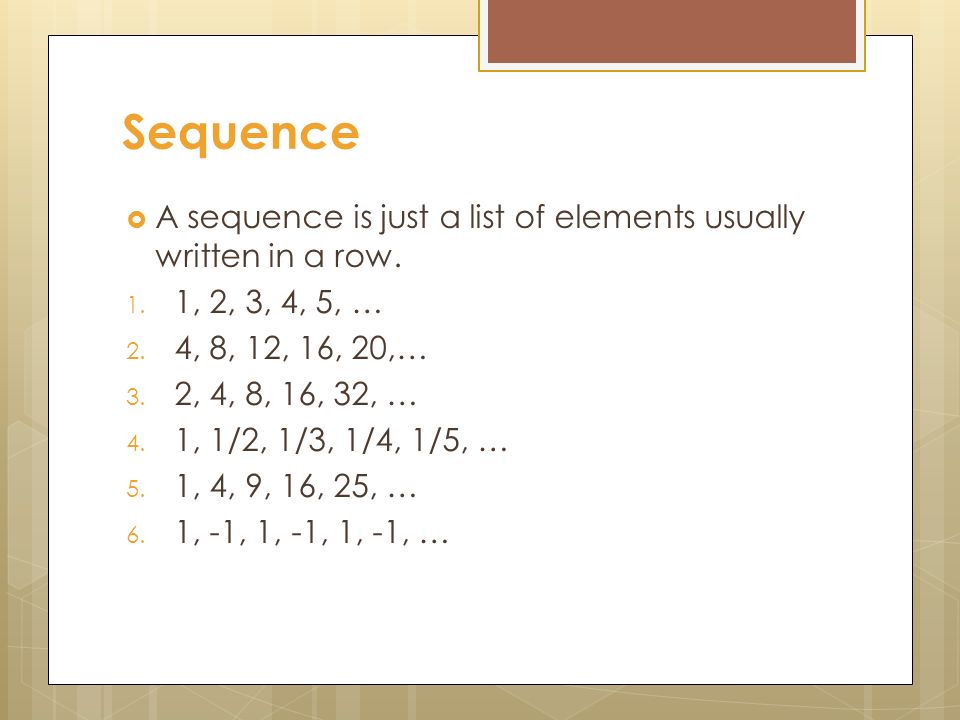
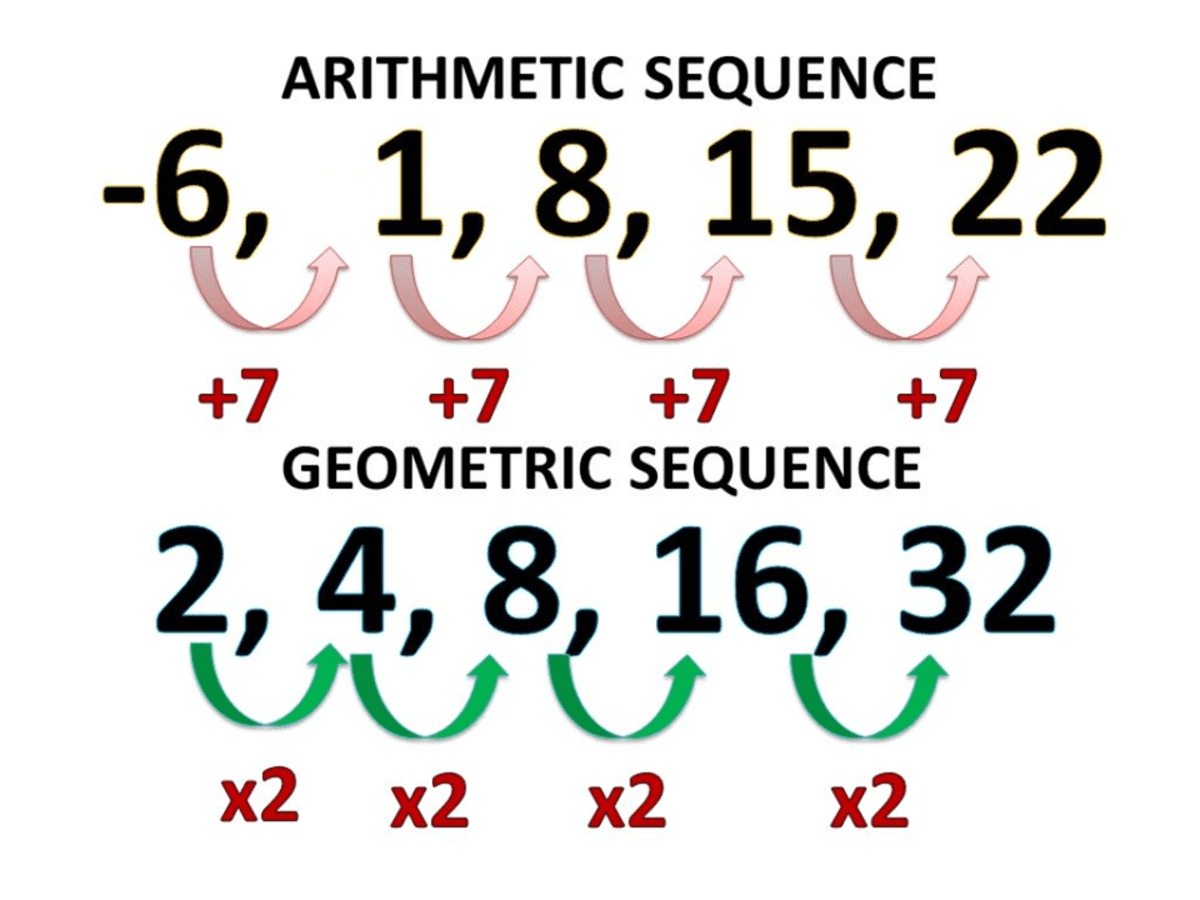
That qualifies 1, 1/2, 1/4, 1/8 as a geometric sequence We can write the formula for the general term of this sequence as a_n = (1/2)^(n1) If the does continue in the same way then the whole infinite sequence indicated is a geometric sequence Note however that this is a slight presumption The fact that the first four terms are in geometric progression does not forceWhat is the equation in the arithmetic sequence 1, 1/2, 1/3, 1/4, 1/5?
Incoming Term: 1/2 1/3 1/4 sequence, 1/2 1/3 1/4 sequence sum, is 1/2 1/3 1/4 an arithmetic sequence, let the sequence un = 1 1/2 3 1/4 ....is, tell whether the sequence is arithmetic 1/2 1/3 1/4, determine the generating function of the following sequence 1/2 1/3 1/4,


コメント
コメントを投稿